Updated 2026-09-09 · 5 min read
Cold plate vs immersion cooling
Key takeaways
Cold plate (direct-to-chip) cooling circulates water-glycol through metal plates on the chips — it keeps 60-80% of server heat out of the room while leaving the server serviceable; immersion bathing whole servers in dielectric fluid captures nearly all heat but changes everything: hardware warranty, fluids, maintenance and weight. Immersion dominates mining and some hyperscale niches; direct-to-chip is what the mainstream (NVIDIA's own rack designs, OCP specs, essentially all server OEM roadmaps) has standardized on. For small deployments, cold plate is the pragmatic default — serviceability and standards matter more than the last 20% of heat capture.
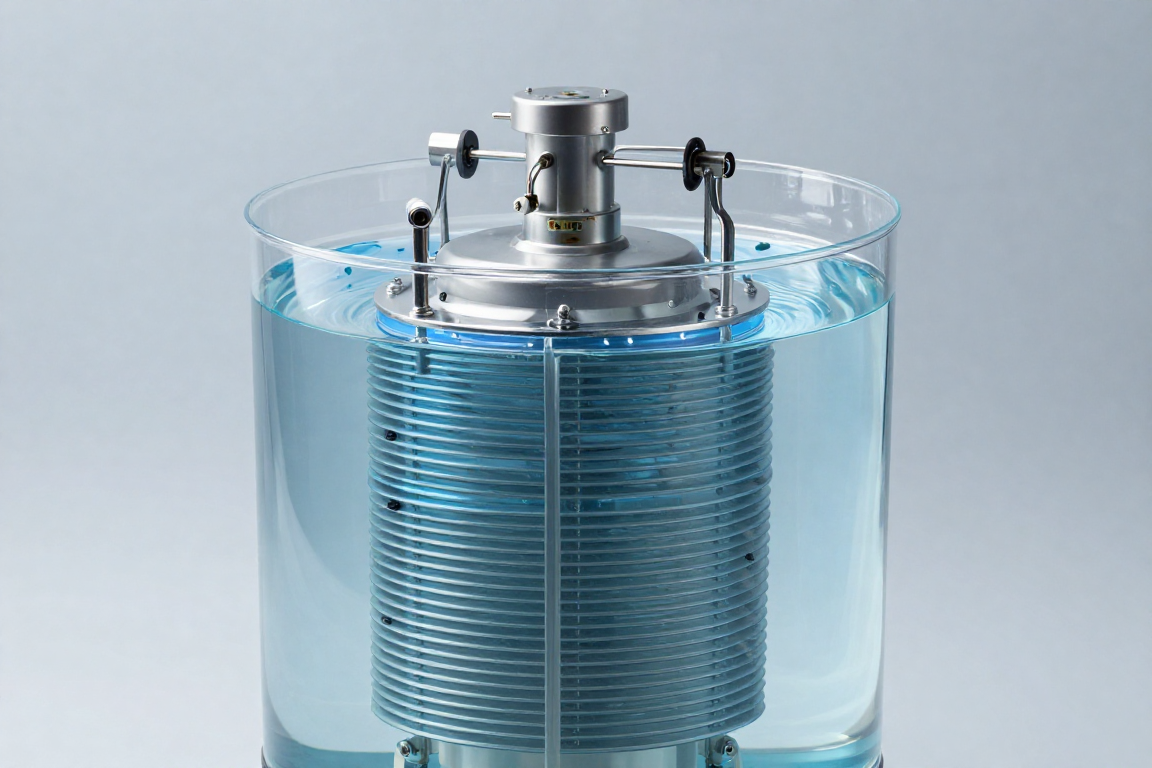
How each works
Cold plate / direct-to-chip (DLC): metal plates with internal channels are bolted onto CPUs and GPUs. Water-glycol (typically PG25) flows through, picks up heat at the source, and the rest of the server is still air-cooled for memory, drives and VRMs. Servers look almost normal and can be pulled and serviced like any other server (via dripless quick disconnects).
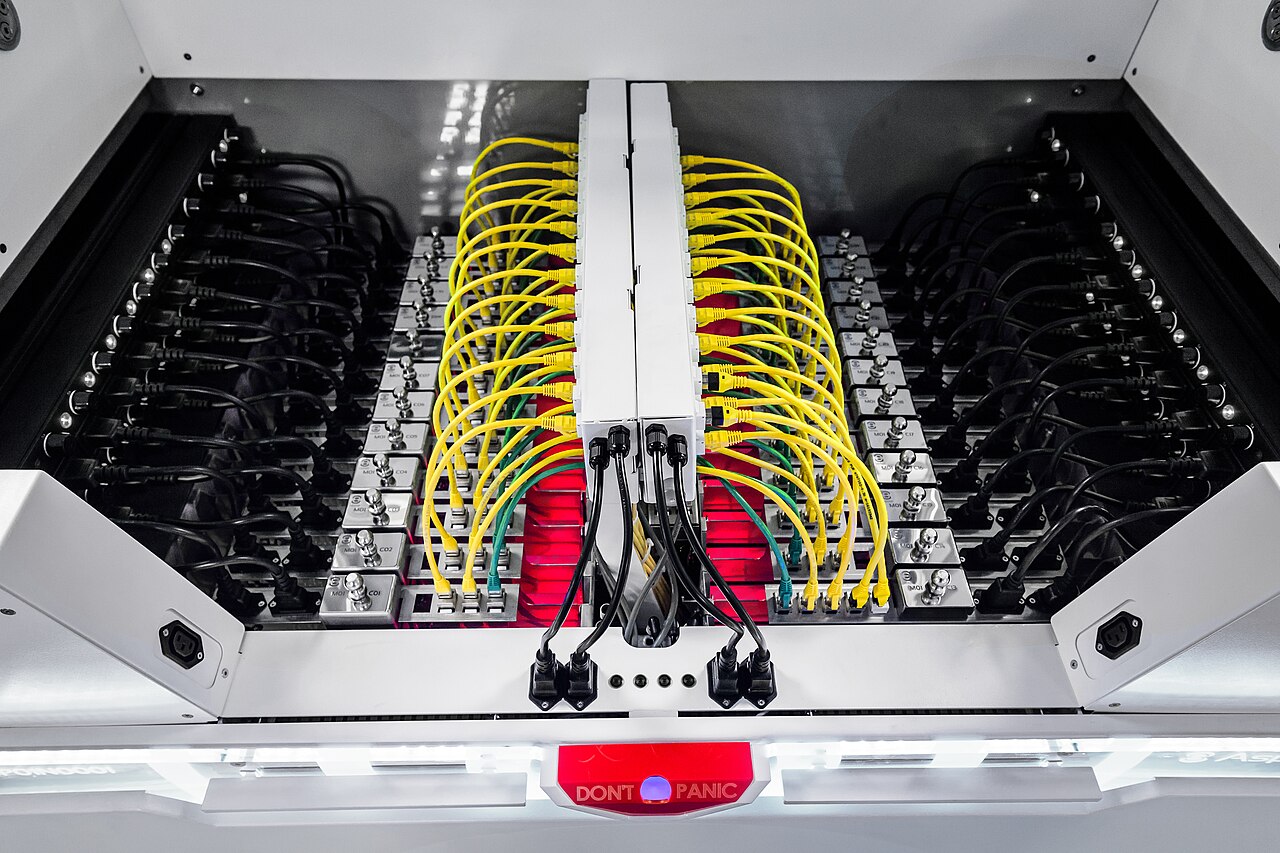
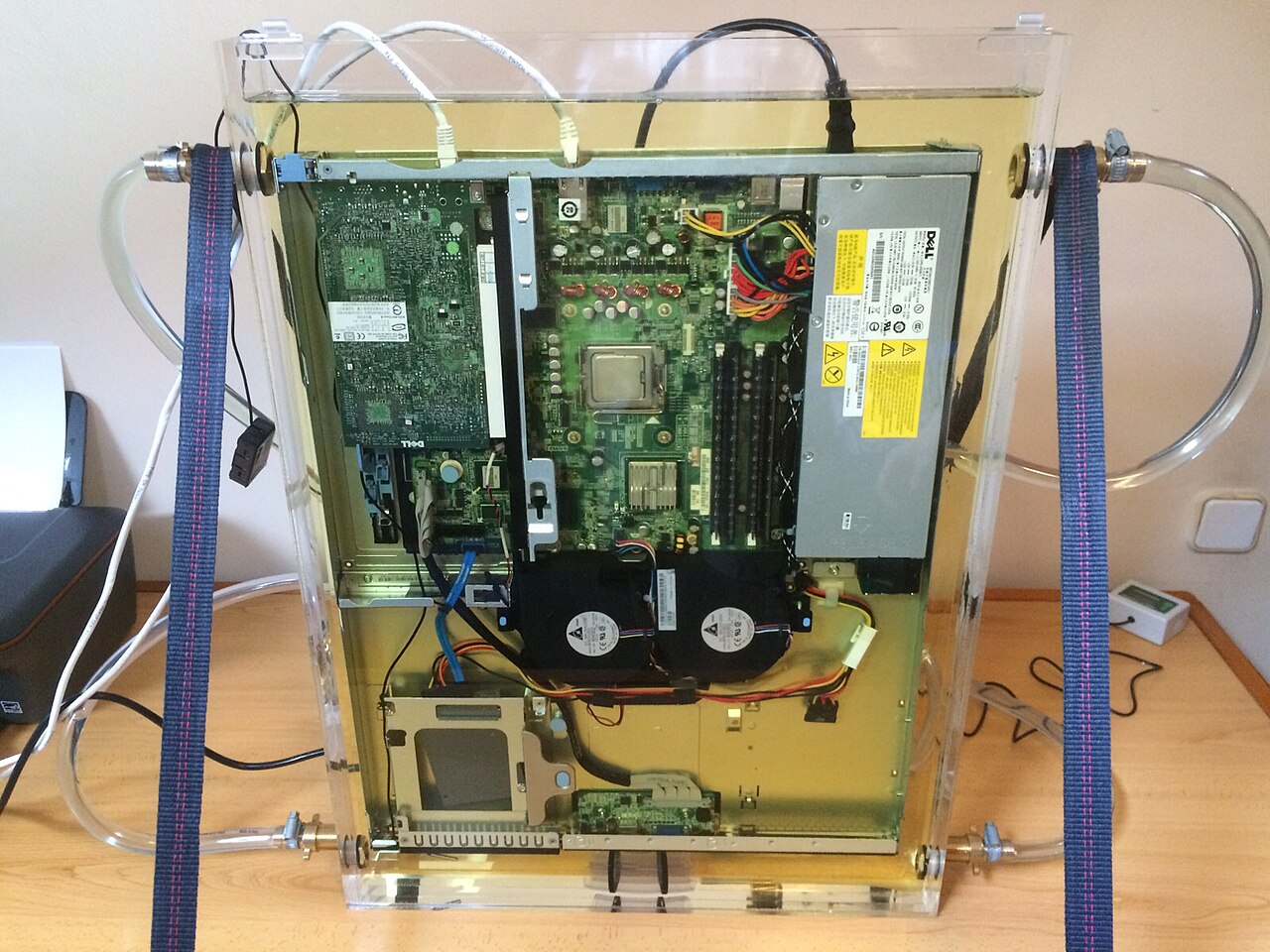
Immersion: entire servers are submerged in a dielectric fluid — single-phase oils or two-phase fluorinated fluids that boil on hot surfaces. Heat capture approaches 100% and PUE can reach ~1.05, but you are managing tanks of fluid, crane-and-rail maintenance, specialist hardware, and fluid chemistry.
Head-to-head
| Cold plate (DLC) | Immersion | |
|---|---|---|
| Heat captured | 60-80% (rest is air) | ~95-100% |
| Fluid | Water-glycol (PG25), PFAS-free | Oils, or fluorinated fluids under PFAS pressure |
| Server hardware | Standard "liquid-ready" OEM models exist | Often needs adaptation / affects warranties |
| Serviceability | Slide-out servers, dripless UQD couplings | Lift out of tank, drip/drain, hot work |
| Standards ecosystem | OCP UQD/ORv3, ASHRAE W-classes, SS 726 | Fragmented |
| Weight per rack | Normal + coolant | Tank + fluid — floor loading is a real constraint |
| Small-room practicality | High | Low |
The fluid problem, honestly
Two-phase immersion depends on fluorinated chemistries that fall under global PFAS restriction efforts (EU restriction proposal advancing; US TSCA reporting), and 3M — the leading producer — exited fluorinated fluid manufacturing at the end of 2025. Single-phase oils sidestep PFAS but bring their own handling and cleanliness costs. This regulatory physics is a big part of why the industry converged on water-glycol cold plates.
Frequently asked questions
Is immersion cooling better than cold plate cooling?
Immersion captures more heat (nearly 100% vs 60-80% for cold plates) and can reach lower PUE, but it demands tank infrastructure, dielectric fluid management, adapted hardware and heavy floor loading. Cold plate / direct-to-chip cooling uses standard liquid-ready servers, dripless quick disconnects, and a mature standards ecosystem (OCP, ASHRAE) — which is why it is the mainstream choice and the pragmatic default for small deployments.
What fluid does immersion cooling use?
Either single-phase dielectric oils (mineral or synthetic hydrocarbons) or two-phase fluorinated fluids. Fluorinated fluids are PFAS "forever chemicals" facing EU restriction and US reporting rules, and 3M stopped making them at the end of 2025 — a major reason the industry shifted toward water-glycol cold plates.
Do cold plates cool the whole server?
No — cold plates sit on the hottest components (CPUs, GPUs, and sometimes voltage regulators). Memory, drives and other parts are still air-cooled, which is why direct-to-chip captures 60-80% of rack heat and the cabinet still manages a residual air stream.