Formula · 3 min read
Wet-bulb temperature & free cooling
Evaporative cooling can only chill water to near the wet-bulb temperature — plus a tower approach of ~5-8 K. Free cooling works when Twet-bulb + 6 ≤ Tcoolant required. At a tropical design wet-bulb of 28 °C, tower water bottoms out near 34 °C — even a 35 °C loop has no margin, which is the physics behind every tropical-derating warning on this site.
Formula
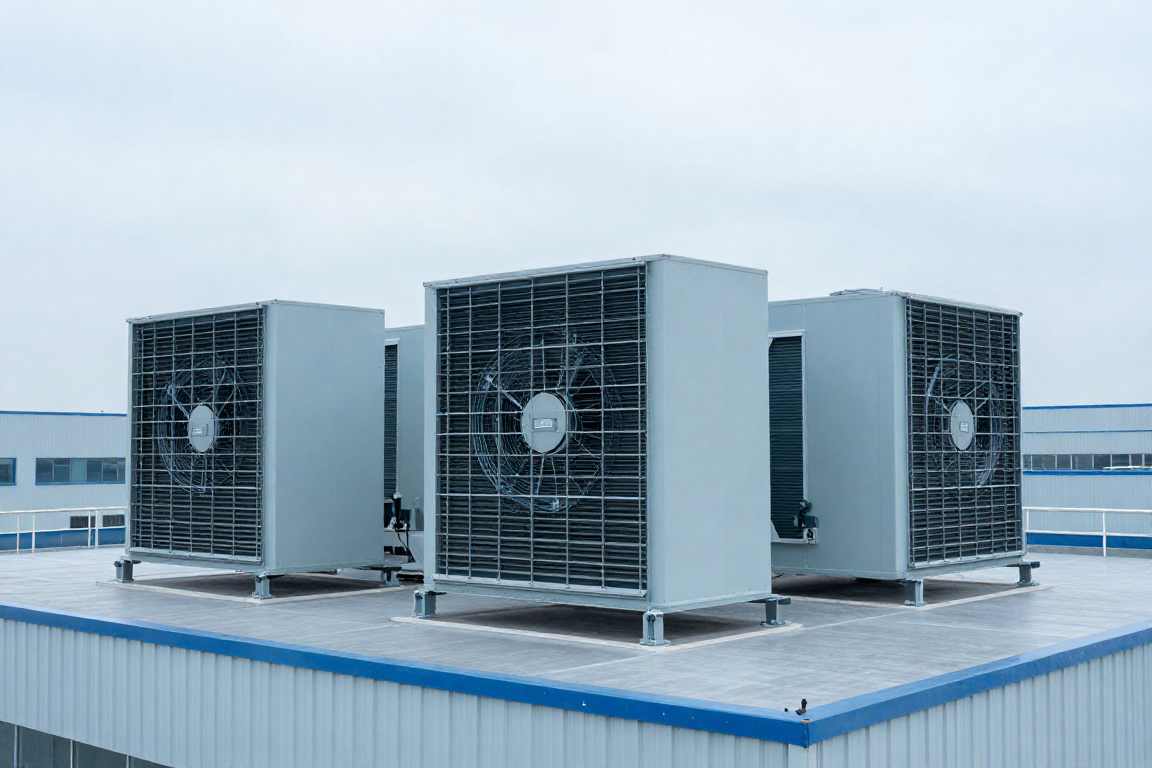
The 6 K is a typical cooling-tower approach; dry coolers run against dry-bulb with ~10 K approach. Whichever sink you use, if its achievable temperature sits above the coolant your equipment needs, mechanical refrigeration enters the chain — with its capital, energy and PUE cost. Higher W-classes raise Tcoolant and buy back free-cooling hours.
Worked example
Typical 1% design wet-bulbs (verify per site): tropical coastal cities 27-30 °C, Gulf coast 30 °C+, Central Europe 20-22 °C, Northern Europe 17-19 °C.
Try it
Common mistakes
- Averaging annual temperature. Free cooling fails on design days, not average days. Size against the 1% design wet-bulb, or accept mechanical backup.
- Believing "chiller-free in any climate". At wet-bulbs near 30 °C even W45 loops have thin margin — and L2A cabinets derate on room air independently (approach temperature).
- Forgetting water. Towers and adiabatic assists consume water and need treatment; in water-stressed regions dry coolers plus higher W-classes may beat evaporative despite fewer free hours.
Related
ASHRAE W-classes · PUE math · Hot & tropical climates · Liquid vs air
Sources
Evaporative-cooling limit physics (wet-bulb as floor) with typical tower approaches of 5-8 K; design wet-bulb values are approximate 1% design points — always pull ASHRAE climate data or local meteo records for a real site.